

Why Is There Water in My CPAP Mask or Tubing?
Posted On: October 7, 2026 by CarePro Health Services in: BiPAP CPAP Sleep Apnea Sleep Therapy Tips
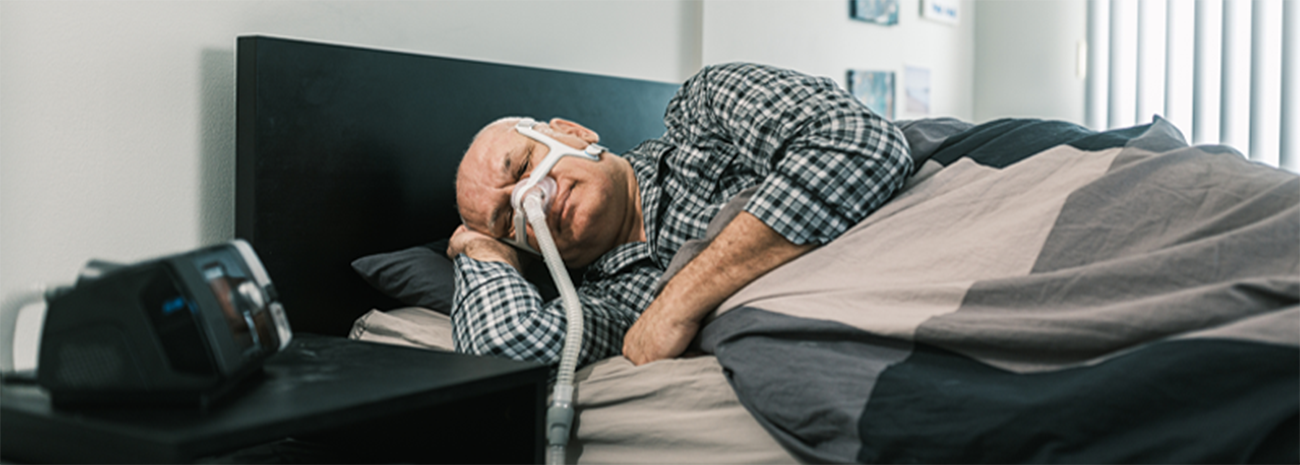
Have you ever been sleeping comfortably with your CPAP only to wake up to a gurgling sound in the hose or drops of water inside your mask? If so, you may be experiencing a common issue called CPAP rainout. Water in CPAP tubing usually forms when warm, humid air cools as it moves through the hose, creating condensation.
A few adjustments to your equipment or sleeping environment can often reduce the moisture and help you sleep more comfortably.
Quick Navigation
Waking up to water in your mask? Use these links to jump to the section that is most helpful.
What Causes Water in a CPAP Mask or Tubing?
Your CPAP humidifier is designed to make therapy more comfortable by adding moisture to the airflow. Without enough humidity, some people experience a dry nose, dry mouth, sore throat, or irritation.
Problems can develop when the warm air leaving the humidifier encounters cooler temperatures. As the air cools, moisture can form into water droplets that collect inside the hose or mask.
Why is there water in my CPAP mask? In most cases, condensation is the cause. Warm, humidified air cools on its way to your mask, and the moisture turns into droplets.
Common reasons for water collecting in CPAP tubing include:
- A bedroom that gets cool overnight
- Humidity settings that are too high for the room
- Seasonal temperature changes
- Air conditioning, fans, or vents blowing near the tubing
- Tubing exposed to colder air
- Standard tubing that doesn’t maintain the temperature of the humidified air
You may notice:
- Gurgling or bubbling sounds
- Water droplets inside the mask
- Moisture collecting in the hose
- Water splashing onto your face
- Sleep interruptions caused by noise or moisture
Related Reading
What Is CPAP Rainout?
We hear questions about CPAP rainout frequently, especially during cooler months.
CPAP rainout occurs when warm, humidified air cools inside the tubing and forms condensation. You can compare it to what happens when warm air meets a cold window and water droplets begin to appear.
Good to know: While CPAP rainout can be frustrating, it doesn’t necessarily mean there’s something wrong with your machine. It’s often related to the difference between the temperature of the humidified air and the temperature of the room or tubing.
Is Water in a CPAP Hose Normal?
CPAP rainout can happen at any time, but it may become more noticeable during fall and winter.
As outdoor and bedroom temperatures drop, the humidified air from your CPAP may be warmer than the air surrounding the hose. That temperature difference creates conditions in which condensation can form.
Room conditions that may contribute to CPAP condensation include:
- Cooler nighttime thermostat settings
- Drafty windows
- Ceiling or bedside fans
- Air conditioning vents
- Bedrooms that stay consistently cold overnight
If water appears in your CPAP hose primarily during colder months, seasonal temperature changes may be part of the problem.
6 Tips to Prevent Water Buildup in Your CPAP Equipment
1. Review Your Humidifier Settings
More humidity isn’t always better. If you see water collecting in your CPAP hose, the humidity level may be too high for the temperature of your room.
Your equipment instructions or respiratory team can help you determine how to adjust the humidification appropriately for your machine. Make small adjustments rather than changing several settings at once.
One caution: Humidity is a comfort setting, but pressure is part of your prescription. Don’t change prescribed pressure settings unless directed by your healthcare or respiratory care team.
2. Take a Look at Your Room Temperature
A colder room increases the temperature difference between the surrounding air and the warm, humidified air traveling through the tubing.
When possible:
- Raise the room temperature slightly
- Reduce drafts near the bed
- Keep tubing away from cold windows
- Move the machine away from direct airflow from vents
Even a small increase in room temperature may help reduce condensation.
3. Consider Heated CPAP Tubing
Heated CPAP tubing helps maintain a more consistent air temperature as humidified air travels from the machine to the mask. This can reduce the cooling that contributes to CPAP rainout.
Heated tubing isn’t compatible with every CPAP setup. If you’re unsure whether it’s available for your machine, contact our respiratory team for help reviewing compatible options.
4. Position Your Tubing Carefully
Where the hose sits overnight matters.
Try to:
- Keep tubing away from cold windows and surfaces
- Avoid low spots where water can collect
- Route the hose so air moves smoothly
- Use a hose holder if needed
Positioning the hose carefully may help prevent water from collecting overnight.
5. Place Your CPAP Machine on a Stable Surface Below Mask Level
Placing the CPAP machine on a stable bedside surface slightly below the level of your mask may help condensation move back toward the humidifier chamber rather than into the mask.
Placement note: Don’t place the machine where its air intake could be blocked or where it may be exposed to dust, pet hair, spills, bedding, or accidental damage. Follow the placement and clearance instructions included with your specific machine.
6. Stay Current With Equipment Maintenance
Routine maintenance is important for both comfort and performance.
Take time to inspect your:
- Tubing
- Mask
- Cushions
- Filters
- Humidifier chamber
Look for cracks, discoloration, loose connections, or signs of wear that could affect therapy. Clean and replace each component according to the manufacturer’s instructions and your insurance eligibility.
When Should You Replace CPAP Tubing and Other Supplies?
Even when CPAP equipment is cleaned regularly, its components don’t last forever. Worn tubing, cushions, filters, or connections can affect comfort and performance.
General replacement guidelines include:
| Supply | General Replacement Guideline |
|---|---|
| Flexible tubing | 1 every 3 months |
| Full-face or nasal mask | 1 every 3 months |
| Full-face mask cushion | 1 every month |
| Nasal cushions or pillows | 2 each month |
| Disposable filters | 2 each month |
| Reusable filters | 1 every 6 months |
| Headgear | 1 every 6 months |
Your replacement schedule and coverage may vary based on your equipment, insurance plan, prescription, supply condition, and continued eligibility.
Don’t wait on damaged supplies: If a component is cracked, damaged, no longer fitting properly, or affecting your therapy, contact our team rather than waiting for the next scheduled replacement date.
When to Contact Our Respiratory Team for Help
A few small changes can often reduce CPAP rainout. If the problem continues, CarePro Home Medical and Kelly’s Home Medical are here to help.
Reach out to our team if:
- Water buildup continues despite troubleshooting
- Your mask is leaking frequently
- Therapy has become uncomfortable
- You’re unsure about changing settings
- You want to explore heated tubing options
- You need replacement supplies
Our respiratory team can help you review your equipment, identify potential comfort issues, and explore options that are compatible with your setup.
CarePro Home Medical serves Eastern Iowa through our Cedar Rapids and Coralville locations, while Kelly’s Home Medical serves Davenport and the Quad Cities.
Frequently Asked Questions
Why is water dripping from my CPAP mask?
Water dripping from a CPAP mask is usually caused by condensation that forms when warm, humidified air cools inside the tubing or mask.
Does heated tubing stop CPAP rainout?
Heated tubing may help reduce CPAP rainout by maintaining a more consistent air temperature inside the hose. However, room temperature and humidifier settings can still affect condensation.
Should I turn down my CPAP humidifier?
If you’re experiencing moisture buildup, lowering the humidifier setting slightly may help reduce condensation while keeping therapy comfortable. Check your equipment instructions or contact your respiratory team if you’re unsure how to adjust the comfort settings.
Is CPAP condensation harmful?
CPAP condensation is generally a comfort issue, but it can disrupt sleep, create noise, and make therapy less comfortable. Contact your equipment or healthcare team if the problem continues or you have concerns about your therapy.
How often should CPAP tubing be replaced?
General replacement guidelines may allow flexible CPAP tubing to be replaced every three months, but your schedule can vary based on your equipment, insurance coverage, and supply condition. Contact our team to ask about your replacement eligibility.
Can room temperature affect my CPAP machine?
Yes. Cooler room temperatures increase the chance that warm, humidified air will condense inside the hose.
Why does my CPAP hose have water only during the winter?
Colder room temperatures create a larger difference between the warm air produced by your humidifier and the cooler air surrounding the hose. That can make condensation more likely during winter.
0 comments