

Why Do My Compression Socks Keep Rolling Down?
Posted On: November 1, 2026 by CarePro Health Services in: Compression Therapy
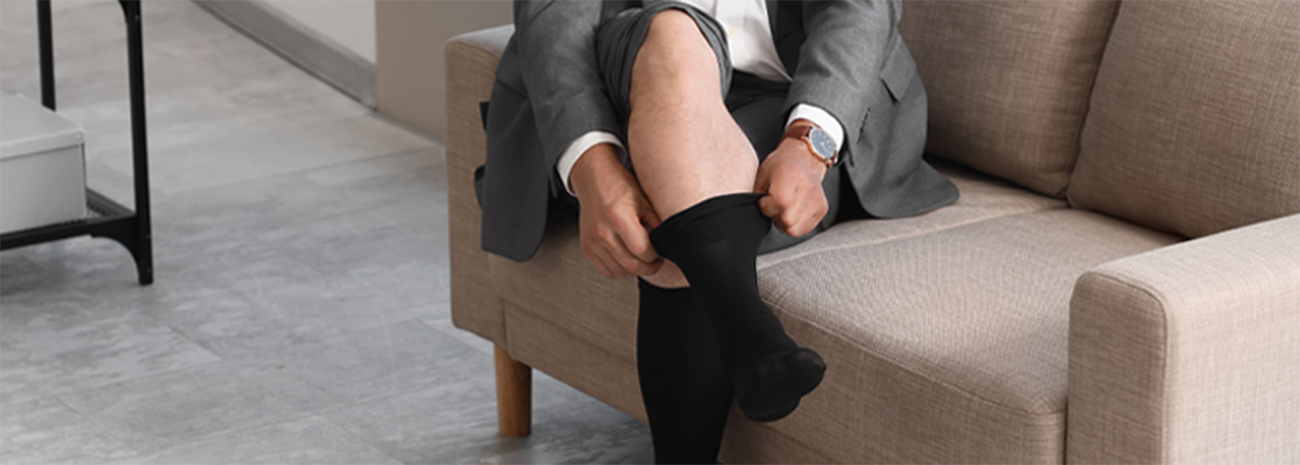
You put your compression socks on in the morning and they felt fine. By lunch, the top band has curled into a tight roll under your knee, or the fabric has slid down and bunched at your ankle. So you pull them up again, and an hour later you're doing it again.
Compression socks rolling down usually means something about the fit isn't quite right. The size or length may be off, the style may not suit your leg shape, the fabric may not be applied evenly, swelling may change through the day, or the material may be worn out. Folding the top over isn't a reliable fix.
Pulling them up again might help for an hour. A lasting fix usually comes from a different size, a better way of putting them on, a style that suits your leg, or a fresh pair.
Read About
Compression socks rolling, slipping, or bunching? Jump to the section that is most helpful.
Why compression socks roll down
#wrong-sizeCheck the size
#length-or-styleConsider the length and style
#how-to-put-socks-onHow to put compression socks on
#sock-wearWhen compression socks wear out
#fold-the-topShould you fold the top?
#when-to-get-helpWhen to ask for fitting help
#compression-fitting-helpFind compression fitting help
#faqsFrequently asked questions
Why Do Compression Socks Roll Down?
We hear about this fit problem a lot, and it rarely has a single cause. It also helps to know that "rolling down" can mean a few different things:
Rolling at the Top
The top band curls over on itself and forms a tight ridge. This is often a sign of a length, size, or shape mismatch near the top of the garment.
Slipping Down the Leg
The whole sock slides lower over the day. This may point to a garment that's too loose, stretched out, or not matched to your measurements.
Bunching at the Knee or Ankle
Extra fabric gathers in folds. This often comes from a garment that's too long or fabric that wasn't spread evenly when it went on.
Knowing which of these you're dealing with makes it easier to work out what to change.
Your Compression Socks May Be the Wrong Size
Wearing the wrong size is one of the most common reasons compression socks don't stay up, and it's easy to do. Many people buy compression socks online using only their shoe size or a general size chart without having their legs measured.
When the Sock Is Too Small
A sock that's too small can feel tight and dig in, push the top band down, or cause it to curl.
When the Sock Is Too Large
A sock that's too large doesn't have enough grip to stay in place, so it tends to slide and wrinkle.
Compression garments are usually sized using measurements at specific points on the leg, such as the ankle, calf, and sometimes the thigh, along with leg length. If any of those numbers are off, or were never taken, the garment may not sit where it's supposed to.
Your measurements can also change. Weight changes, shifts in swelling, and other health changes can affect how a garment fits, so a size that worked last year may not work now. If it's been a while since you were measured, it may be time to check again.
Get Help With Your Compression Fit
If you aren’t sure whether your current socks are the right size, our compression team can take your measurements and help you compare options.
The Length or Style May Not Match Your Leg
Even with the right circumference measurements, the length still matters. A knee-high sock that's too long often bunches behind the knee, where the extra fabric folds every time you bend your leg. One that's too short may sit on a wider part of the leg and get pushed downward.
Leg shape plays a role, too. Two people with the same calf measurement can have different leg contours, and a garment that suits one person may roll or slide on another.
Knee-high, thigh-high, open-toe, closed-toe, and garments with different top bands or fabric types can all fit differently. The best style depends on your measurements, needs, and healthcare provider’s instructions. There isn’t one option that works for everyone.
Related Reading
/blog/category/compressiontherapyCompression Socks Too Tight or Uncomfortable? Here’s What to Know
Related Reading: Compression Socks Too Tight or Uncomfortable? Here’s What to Know
How You Put Them On Can Affect the Fit
Putting compression socks on takes practice, and small details can change how they fit for the rest of the day.
When a garment is pulled up mostly by the top band, the fabric can gather unevenly. You might end up with too much material around the ankle and too little near the knee. That uneven spread can lead to wrinkles, pressure points, and rolling.
A few habits often help:
- Work the fabric up gradually instead of tugging from the top.
- Make sure the heel pocket sits on your heel.
- Smooth out wrinkles as you go, especially around the ankle and behind the knee.
- Keep the top band where the manufacturer recommends rather than pulling it as high as it will go.
Follow the manufacturer's application instructions for your specific garment. Donning aids and gloves can also make application easier, especially for older adults or caregivers helping a loved one. If you'd like a hand, our team is happy to show you how to put on your garment.
Find Compression Fitting Help Near You
Worn Compression Socks May No Longer Stay in Place
Compression garments don't last forever. With regular wear and washing, the elastic fibers gradually lose their stretch and recovery. A sock that fit well when it was new can start to sag, slide, or roll as it wears out.
Watch for:
- Fabric that looks thin or see-through in spots
- A top band that feels loose or has lost its grip
- Sagging or wrinkling that wasn't there before
- Snags, runs, or holes
- A garment that feels noticeably easier to put on than it used to
If your socks are showing these signs, a replacement pair may help more than any change in how you wear them. Good care can also help garments keep their shape longer.
Look at the garment itself: If a compression sock that once fit correctly has started sliding or sagging, worn elastic may be the problem rather than your application technique.
Related Reading
/blog/post/6-tips-for-maintaining-your-compression-stockings6 Tips for Maintaining Your Compression Stockings
Related Reading: 6 Tips for Maintaining Your Compression Stockings
Should You Fold or Roll the Top of Compression Socks?
No. Folding or rolling the top band over isn’t a good long-term solution, even if it seems like a quick fix for a sock that’s too long or keeps slipping.
When the fabric is doubled over, it can create a narrow band of extra pressure around the leg. This may make the garment uncomfortable and change the way the pressure is distributed.
Don’t fold the top to make the garment shorter. If you regularly fold the top over to keep the garment in place, have the size, length, or style checked instead.
Signs It's Time to Ask for Fitting Help
Some fit problems improve once you adjust how you put the garment on. Others need a closer look.
It may be time to ask for fitting help if:
- The garment rolls every time you wear it.
- Fabric bunches behind the knee or at the ankle.
- The socks leave deep or painful marks.
- The garment slips down throughout the day.
- Your toes, feet, or legs feel numb or tingly.
- Swelling collects above or below the garment.
- The socks have become stretched or loose.
- You or a loved one avoids wearing them because they’re uncomfortable.
A well-fitted compression sock should feel snug and supportive, but it shouldn’t feel painful, cause numbness, or feel as though it’s cutting off circulation.
When to Contact a Healthcare Provider
Stop wearing the garment and contact your healthcare provider if you notice pain, numbness, tingling, skin-color changes, broken skin, or increased swelling. Contact a healthcare provider promptly if swelling is new, worsening, red, warm, painful, or affecting one leg. Seek emergency help for chest pain or shortness of breath.
If compression was prescribed, follow your healthcare provider’s instructions for wear time, garment type, and compression level.
Related Reading
/blog/post/when-to-wear-compression-socks-when-you-shouldntWhen to Wear Compression Socks & When Not To
Related Reading: When to Wear Compression Socks & When Not To
Find a Better Compression Fit at CarePro Home Medical and Kelly's Home Medical
If your compression socks keep rolling, slipping, or bunching, you don’t have to keep guessing. Our compression teams at CarePro Home Medical and Kelly’s Home Medical can take accurate measurements, compare garment sizes and styles, demonstrate easier ways to put them on, and determine whether your current pair needs to be replaced.
If you’d like help figuring out what’s going wrong, bring the socks you’re wearing now. Seeing how your current garment fits can help our team identify the problem.
For compression socks and professional fittings in Cedar Rapids or Coralville, visit CarePro Home Medical. For help in Davenport and the Quad Cities, visit Kelly’s Home Medical.
Request a Professional Compression Fitting
Find a CarePro Home Medical or Kelly's Home Medical Location
Frequently Asked Questions
Why do my compression socks keep rolling down?
Compression socks may roll because of incorrect sizing, improper length, uneven application, leg shape, changing swelling, or worn material. Having your measurements and garment checked can help identify the likely cause.
Should I fold the top of my compression socks over?
No. Folding the top over can create a narrow band of added pressure and make the garment uncomfortable. If you feel that you need to fold it, have the size, length, and style evaluated instead.
How do I know if my compression socks are the wrong size?
Possible signs include rolling, slipping, bunching, deep or painful marks, or a garment that feels loose or overly tight. If you bought your socks without being measured or your measurements have changed, a professional fitting can confirm your current size.
Why do my compression socks bunch behind my knee?
Bunching behind the knee may mean the garment is too long or the fabric wasn’t spread evenly when you put it on. A different length or style may fit better.
How tight should compression socks feel?
Compression socks should feel snug and supportive, but not painful. Remove the garment and contact your healthcare provider if you experience numbness, tingling, color changes, pain, or worsening swelling.
Where can I get professionally fitted for compression socks?
CarePro Home Medical offers compression fittings in Cedar Rapids and Coralville, while Kelly’s Home Medical serves Davenport and the Quad Cities.
Contact CarePro Home Medical and Kelly’s Home Medical or find a location to get started.
0 comments