

CPAP Mask Leaving Marks on Your Face? What Can Help
Posted On: October 21, 2026 by CarePro Health Services in: BiPAP CPAP Sleep Apnea Sleep Therapy
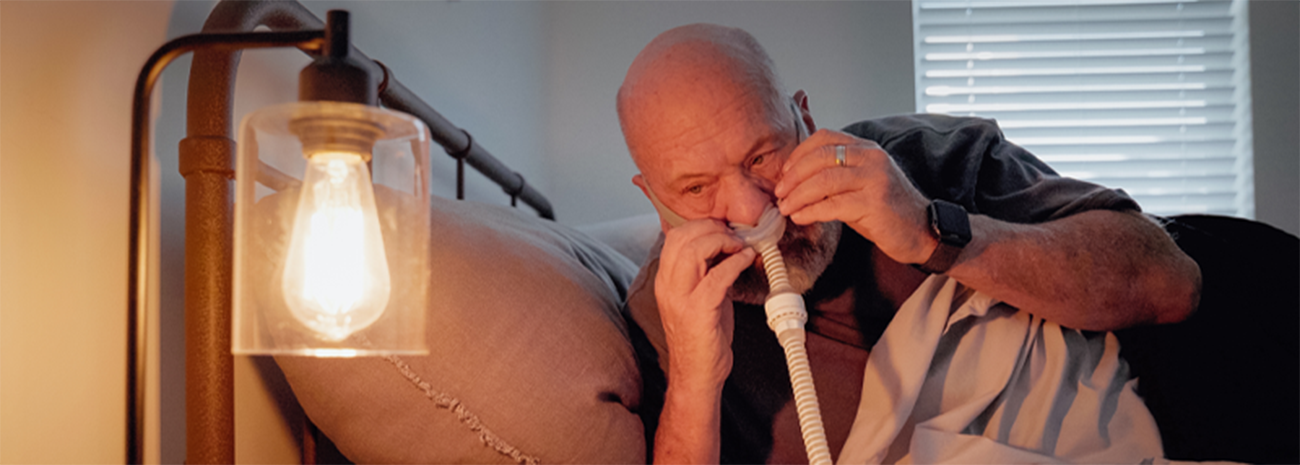
Waking up with red marks from your CPAP mask can be frustrating, especially when they’re accompanied by soreness or irritation. Light impressions that fade shortly after waking can be normal, but persistent redness, pain, or irritation may point to an issue with your mask fit, cushion, headgear, or mask style.
Many CPAP mask comfort problems can be addressed with a few adjustments or replacement supplies. Understanding what’s causing the marks can help you find a better fit and feel more comfortable using your therapy.
Quick Navigation
Waking up with mask marks? Use these links to jump to the section that is most helpful.
Why Does a CPAP Mask Leave Marks on Your Face?
CPAP mask marks commonly happen when your headgear is too tight, the mask is the wrong size or style, the cushion is worn, or the mask shifts while you sleep. Reviewing the mask fit, strap tension, cushion condition, and sleeping position can help identify the cause.
Because the mask rests against your skin throughout the night, it’s normal to see light impressions for a short time after removing it.
Normal Temporary Marks
CPAP masks need gentle contact with the skin to maintain an effective seal, so mild lines or impressions can appear after a night of use. If they fade shortly after waking and don’t hurt, they usually aren’t a reason for concern.
Persistent Redness and Pressure Points
When marks last for hours, become painful, or appear in the same places night after night, something may need attention.
Pressure can develop around areas such as:
- The bridge of the nose
- The cheeks
- Around the mouth
- Along the jawline
- Under the nostrils
Some people also experience dry skin, tenderness, or recurring irritation.
Your CPAP therapy should support better sleep, not leave you uncomfortable every morning. If facial marks have become a daily frustration, it’s worth looking more closely at the fit and condition of your equipment.
When to call your provider: If you notice broken skin, swelling, a persistent rash, or worsening soreness, contact your healthcare provider for guidance. Don’t stop your prescribed therapy without speaking with your healthcare team.
Is Your CPAP Mask Too Tight?
One of the most common reasons for CPAP mask marks is wearing a mask that’s too tight.
It’s easy to understand why this happens. When people notice an air leak, their first instinct is often to tighten the straps. However, tighter doesn’t always mean better.
The Air Leak Misconception
Tightening the straps too much may distort the cushion and prevent it from sitting evenly against your face. This can create more pressure without fixing the underlying leak.
When straps are pulled too tight, you may notice:
- Deep facial indentations
- Increased redness
- Soreness around the nose or cheeks
- Headaches or pressure discomfort
- Difficulty wearing the mask throughout the night
Comfort Matters More Than You Think
Your CPAP mask should feel secure without feeling painfully tight. If you’re constantly adjusting it, waking with soreness, or wanting to remove it during the night, the fit may need attention.
Fit tip: Follow the fitting instructions provided by your mask manufacturer. If you can’t achieve a comfortable seal, our respiratory team can help you review the mask’s size, style, cushion, and headgear.
Related Reading
Could Your CPAP Mask Be the Wrong Size?
Even a high-quality CPAP mask can cause problems if it’s the wrong size.
Every Face Is Different
A mask that works well for one person may not work for another. Facial width, nose shape, cheek structure, sleeping position, and the specific mask model can all affect fit. Sizing can also vary among mask manufacturers and models.
Signs of CPAP Mask Sizing Issues
A mask that’s too small might:
- Create excessive pressure
- Pinch certain areas of the face
- Leave deeper or more painful marks
A mask that’s too large might:
- Shift while you sleep
- Create air leaks
- Require tighter straps to stay in place
Either way, a poor fit can lead to discomfort and make CPAP therapy harder to stick with.
Common Fitting Mistakes
One common CPAP mask fitting problem is continuing to use the same mask or size without checking whether it still fits correctly.
Weight changes, facial changes, different mask brands, and new equipment can all affect fit. A professional CPAP mask fitting can help determine whether another size or style may be more comfortable.
A properly fitted mask should feel secure, maintain its seal, and remain comfortable enough to wear throughout the night.
Contact Our Team for CPAP Mask Help
When Worn-Out Cushions Cause Skin Irritation
Sometimes the mask isn’t the issue at all. The cushion may simply be worn out from regular use.
What Happens as Cushions Age?
Over time, mask cushions are exposed to:
- Facial oils
- Moisture
- Daily wear
- Regular cleaning
Eventually, the material begins to break down.
You may notice the cushion becoming:
- Less flexible
- Stiffer than before
- Discolored
- Cracked or damaged
- More prone to leaks
How Worn Cushions Affect Comfort
When a cushion no longer seals properly, you may compensate by tightening the headgear. That can create a cycle in which a worn cushion leads to more pressure, friction, facial marks, and irritation.
Check the cushion first: If you’ve recently noticed more redness, soreness, or leaking, inspect the cushion before assuming you need an entirely different mask.
Don’t Forget Cushion Replacement
Regular cushion replacement is an important part of keeping CPAP therapy comfortable. Replacement eligibility varies based on your equipment and insurance plan, so contact our team if you’re unsure when you may qualify for new supplies.
Would a Different CPAP Mask Style Work Better?
Sometimes adjusting your current mask isn’t enough. A different mask style may provide a better fit based on your facial features, breathing habits, sleeping position, and prescribed therapy.
Nasal Masks
Cover only the nose and offer a balance of comfort and stability while touching less of the face than larger masks.
Nasal Pillow Masks
Seal at the nostrils rather than around the nose. Many people like that they feel lightweight, touch less of the face, reduce cheek pressure, and minimize facial marks.
Full-Face Masks
Cover both the nose and mouth and are often recommended for mouth breathers. Proper sizing and headgear adjustment are especially important for reducing pressure points.
Finding the Right Fit for You
No single mask is right for everyone. If you’re still struggling with CPAP mask discomfort after making adjustments, a different mask style might provide a more comfortable experience.
CarePro Home Medical and Kelly’s Home Medical carry nasal, nasal pillow, and full-face options. Our respiratory team can help you review which masks are compatible with your prescribed equipment and therapy needs.
Explore CPAP Masks Explore CPAP Accessories
A CPAP specialist can review:
- Mask size
- Headgear adjustments
- Cushion condition
- Leak issues
- Overall comfort
We regularly help patients with:
- Ongoing skin irritation
- Frequent leaks
- Poor mask seal
- Facial soreness
- Difficulty staying consistent with therapy
This is especially important if facial marks make you dread wearing your CPAP or cause you to skip therapy. Sometimes a simple adjustment or replacement part is enough to make a noticeable difference.
Need Help With Your CPAP Mask?
If your CPAP mask is leaving marks on your face, our team is here to help. At CarePro Home Medical and Kelly's Home Medical, we help patients improve their comfort and address CPAP mask fit concerns.
Whether you need help finding a more comfortable mask, replacing worn equipment, or troubleshooting persistent fit issues, we’re here as a resource. You can explore our replacement masks and CPAP accessories.
Contact Us Today Refill Your CPAP Supplies Find a Location Near You
Frequently Asked Questions
Can a CPAP mask be too tight?
Yes. Overly tight straps are a common cause of facial marks, soreness, and discomfort. Your mask should feel secure, not painfully tight.
How long should CPAP marks last?
Light impressions that fade shortly after waking can be normal. Marks that last for hours, become painful, or worsen over time deserve further attention.
Why is my CPAP mask causing skin irritation?
Skin irritation can have several causes, including a poor mask fit, worn cushions, excessive pressure, trapped moisture, or friction against the skin.
How often should CPAP cushions be replaced?
Replacement schedules vary by mask type, manufacturer, condition, and insurance plan. Cushions should be replaced when they lose their seal, become stiff, show signs of wear, or begin affecting your comfort.
What should I do if my CPAP mask is uncomfortable?
Start by checking the fit, strap tension, and condition of the cushion. If you’re still uncomfortable, a professional mask fitting can help identify the cause and recommend possible solutions.
Can changing mask styles reduce facial marks?
Yes. Some people experience fewer pressure points and less irritation after switching to a mask style that better fits their facial features, breathing habits, and sleeping position.
Does a leaking CPAP mask always mean it’s too loose?
Not necessarily. Leaks can also be caused by incorrect sizing, worn-out cushions, sleeping position, or a mask that’s no longer the right fit. Tightening the straps isn’t always the answer.
0 comments