

Compression Socks for Swollen Legs in Summer
Posted On: August 1, 2026 by CarePro Health Services in: Compression Therapy Health Summer Tips Wellness
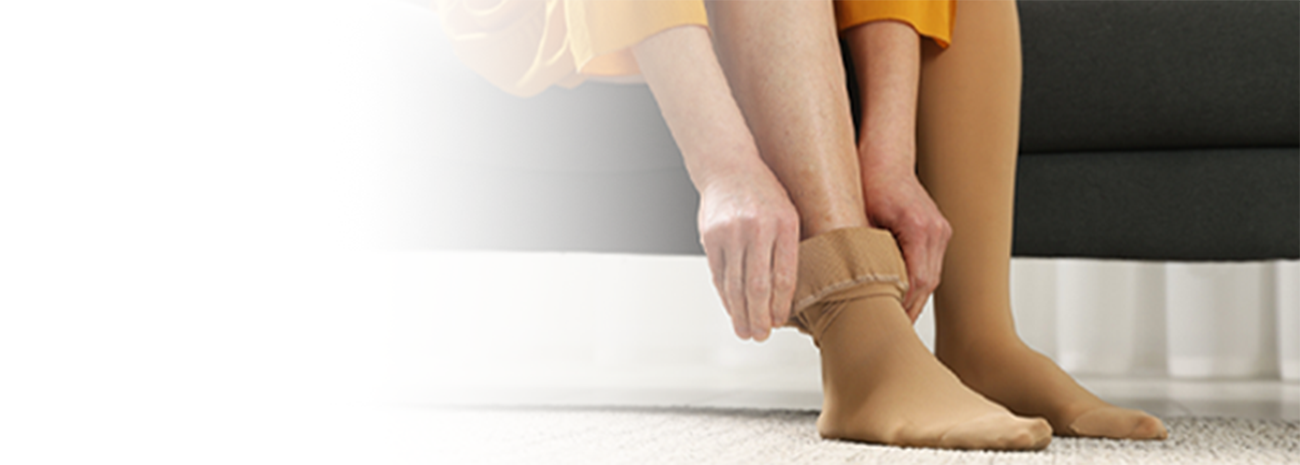
You know that feeling at the end of a long summer day when your shoes suddenly feel a size too small? Or when your ankles look puffier after a road trip, an afternoon at a ballgame, or standing behind the counter through a lunch rush? That's summer swelling.
Between the heat, the humidity, the extra time on your feet, and the long stretches sitting in cars and planes, summer is one of the hardest seasons on your legs. A well-fitted pair of compression socks, also called compression stockings, can make a real difference — often before you even leave the house.
At CarePro Home Medical and Kelly's Home Medical, compression therapy is one of our most-fitted services all summer long. Here's what we tell people who come in looking for relief.
Jump to a Section
Looking for help with summer swelling or compression socks? Use these links to jump ahead.
Do Compression Socks Help Swollen Legs in Summer?
Yes, compression socks can help reduce swelling in the legs, ankles, and feet during summer. They apply graduated pressure that supports circulation and helps prevent fluid from pooling in the lower legs.
Common reasons summer swelling responds well to compression:
- Heat causes veins to expand, making it easier for fluid to collect in the lower legs
- Long stretches of standing or sitting slow circulation
- Humidity and dehydration can lead to fluid retention
- Travel and outdoor activities keep legs still for hours at a time
Helpful note: Compression socks aren't a cure for the underlying reason your legs swell, and they aren't the right fit for every situation. But for a lot of people, they're the single easiest change that makes summer feel more comfortable.
Why Leg Swelling Often Gets Worse in Summer
If your legs feel heavier in July than they do in January, that's not in your head. A few things are happening at once:
Heat Causes Blood Vessels to Expand
When your body is trying to cool itself down, the veins in your legs widen. That's helpful for temperature regulation, but it also makes it easier for blood and fluid to pool in your ankles and feet instead of moving back up toward your heart.
Humidity Slows Things Down
On sticky days, your body has a harder time getting rid of extra fluid through sweat. That fluid has to go somewhere, and gravity usually sends it to your lower legs.
You're on Your Feet More
Farmers markets, family reunions, ball games, gardening, county fairs — summer schedules are full of standing. Every hour your feet are on the ground, gravity is quietly working against your circulation.
You're Also Sitting Longer Than You Think
Road trips, flights, ballpark bleachers, and lawn chair afternoons all involve long stretches of not moving much. That's just as tough on circulation as standing.
Dehydration Sneaks Up
This one's counterintuitive, but when you're not drinking enough water, your body actually holds onto fluid, which shows up as swelling. Summer heat makes dehydration much more likely.
Add all of those up over a week of vacation or a long weekend of yard work, and it's no wonder your shoes feel tight by dinner.
A note from our team: If you notice one leg is suddenly much more swollen than the other, or the swelling comes with pain, redness, or warmth, that's a reason to call your doctor rather than reach for compression socks. Sudden one-sided swelling can be a sign of something that needs medical attention.
How Compression Socks Help Support Circulation
Compression socks look like slightly thicker, snugger socks, but the difference is in how they're built. They use graduated compression, which means the pressure is strongest at the ankle and gradually eases as the sock goes up the calf.
That pattern isn't random. Your veins are working against gravity to move blood from your feet back up to your heart, and the graduated squeeze gives them a little help.
The result:
- Less fluid pooling in your ankles and feet
- Less of that "heavy, tired legs" feeling at the end of the day
- Reduced risk of blood pooling during long periods of sitting or standing
- More comfort in the shoes you already own
Understanding Compression Levels (mmHg)
Compression is measured in mmHg, or millimeters of mercury. The right level depends on why you're wearing them and what your doctor has recommended.
| Compression Level | Best For |
|---|---|
| 15–20 mmHg, Mild | Travel, mild swelling, everyday support, tired legs after work |
| 20–30 mmHg, Moderate | Moderate swelling, varicose veins, post-procedure recovery, pregnancy-related swelling |
| 30–40 mmHg, Firm | Lymphedema, chronic venous insufficiency, doctor-prescribed medical-grade support |
| 40+ mmHg, Extra Firm | Severe venous conditions, usually with a physician's guidance |
We carry compression garments from SIGVARIS, Covidien, and Therafirm, which we stock in-store. Styles range from knee-high to thigh-high to full pantyhose, and fabrics range from cotton to microfiber to breathable blends.
Fit matters: The right sock for a nurse working a 12-hour shift is different from the right sock for someone flying to see the grandkids. A professional fitting can help match the compression level, length, and fabric to your actual routine.
Who May Benefit From Compression Socks?
Everyday Reasons
- Older adults whose ankles swell after a long day in the garden or at a family gathering
- People whose jobs keep them standing — nurses, teachers, retail workers, hair stylists, servers, factory workers
- Desk workers whose legs feel heavy after a full day of sitting
- Travelers heading out on flights, cross-country road trips, or bus tours
- Pregnant women dealing with pregnancy-related swelling and leg discomfort
Medical Reasons
- People with varicose veins, chronic venous insufficiency, or a history of blood clots who've been told compression will help
- Anyone managing lymphedema — usually with medical-grade compression fitted by our team
- People recovering from surgery who've been told to wear compression during recovery
- Caregivers helping a loved one who's less mobile, which often leads to more leg and foot swelling
If you're in any of those groups — or if you've just noticed your legs feel worse this summer than usual — it's worth a conversation.
Related Reading
Summer Tips for Reducing Swelling
Compression socks are one tool. These everyday habits stack on top of them for even better results:
| Habit | Why It Helps |
|---|---|
| Drink more water than you think you need | Aim for water throughout the day, not just at meals. Add lemon, cucumber, or a splash of juice if plain water feels boring. Dehydration actually causes your body to hold onto fluid. |
| Take walking breaks | Get up and move every hour at your desk, or stop and stretch every couple of hours on a road trip. Movement is one of the best circulation supporters there is. |
| Elevate your legs | Prop your feet up for 15–20 minutes in the evening, above your heart if you can. Gravity helps move fluid back out of your ankles and calves. |
| Cool down before you sit down | A cool shower on your legs from the knee down, or just stepping into the AC, helps veins narrow back to a more comfortable size. |
| Skip tight shoes and restrictive clothing | Snug waistbands, regular tight socks, and shoes that dig in at the top restrict circulation right where you need it flowing. |
| Wear properly fitted compression garments | The big one. A properly measured pair is the difference between "these feel amazing" and "these live in the sock drawer." |
Why Proper Fit Matters
If you've ever bought compression socks online and thought "these can't be right," you're not the first person to walk into our showroom asking about it. The wrong size, wrong length, or wrong compression level can leave you with socks that dig in at the top, slide down all day, or don't actually help with the swelling you bought them for.
Here's what to expect at a professional fitting with our team:
| What We Do | Why It Matters |
|---|---|
| Measure the right spots on your leg | For knee-highs, that's your ankle circumference, the widest part of your calf, and length from below your knee to your heel. Thigh-highs and pantyhose need a few more measurements. |
| Match the compression level to your situation | Someone flying to Florida for a week has different needs than someone managing lymphedema. We help pick 15–20, 20–30, or 30–40 mmHg, and we work with your doctor's notes. |
| Help with style, fabric, and lifestyle fit | Cotton or microfiber? Open toe or closed? Knee-high or thigh-high? These affect whether you'll actually wear them — and compression only helps when it's on. |
| Show you how to put them on | Compression socks take a little practice. We'll walk you through the technique and show you donning aids that help if grip or reach is a challenge. |
Most fittings take about 20 to 30 minutes, and there's no obligation to buy that day if you'd rather think it over.
Quick tip: Put your compression socks on first thing in the morning, before swelling has a chance to set in. It's much easier than trying to squeeze already-swollen legs into them after breakfast.
Find Compression Therapy Support at CarePro Home Medical and Kelly's Home Medical
Compression is one of the most personal fits in home medical equipment — which is why we don't sell it off a shelf and send you on your way. Our teams are trained to measure, fit, and troubleshoot compression garments, and we work with brands like SIGVARIS, Therafirm, and Covidien to make sure we can match you to the right product for how you actually live.
CarePro Home Medical serves Eastern Iowa from our Cedar Rapids and Coralville locations, and Kelly's Home Medical serves the Quad Cities from Davenport. We fit compression garments for travelers, workers, expectant moms, older adults, and people managing chronic conditions every week.
Whether you're brand new to compression or you've been wearing socks for years and want a better fit, we'd love to help.
Schedule a compression fitting or stop by any of our locations to talk with our team.
Request a Fitting Explore Compression Products Find a Location
Frequently Asked Questions
Do compression socks help swollen legs?
Yes, in many cases. Compression socks apply graduated pressure that supports circulation and helps prevent fluid from pooling in the lower legs. They're commonly used for swelling caused by long periods of standing or sitting, travel, pregnancy, heat, and certain circulation conditions. If your swelling is sudden, one-sided, or comes with pain, talk to a doctor before starting compression.
Why do my ankles swell in hot weather?
Heat causes your blood vessels to expand, which makes it easier for fluid to collect in your ankles and feet instead of moving back up your legs. Humidity, dehydration, and long stretches of sitting or standing in the summer all add to the effect. It's very common, and it usually improves once you cool down, hydrate, and get moving again.
When should I wear compression socks?
Most people get the best results by putting them on first thing in the morning and wearing them through the day. Common times to wear them include long days on your feet, long flights or road trips, during pregnancy, after certain surgeries, and any time your legs feel heavy or swollen. Take them off before bed unless your doctor has told you otherwise.
Can I wear compression socks during summer?
Absolutely — summer is actually when many people benefit most from them. Look for lightweight fabrics like microfiber or breathable cotton blends, and consider open-toe styles if you plan to wear sandals. The compression works the same in July as it does in January; the fabric just needs to match the season.
How do I know what compression level I need?
Compression is measured in mmHg. 15–20 mmHg is common for travel, everyday support, and mild swelling. 20–30 mmHg is often used for moderate swelling, varicose veins, or post-procedure recovery. 30–40 mmHg or higher is medical-grade and typically prescribed by a doctor. Our team can help match you to the right level — bring any doctor's recommendations with you if you have them.
0 comments