

Do You Need Compression Socks for a Long Car Ride or Flight?
Posted On: November 2, 2026 by CarePro Health Services in: Compression Therapy
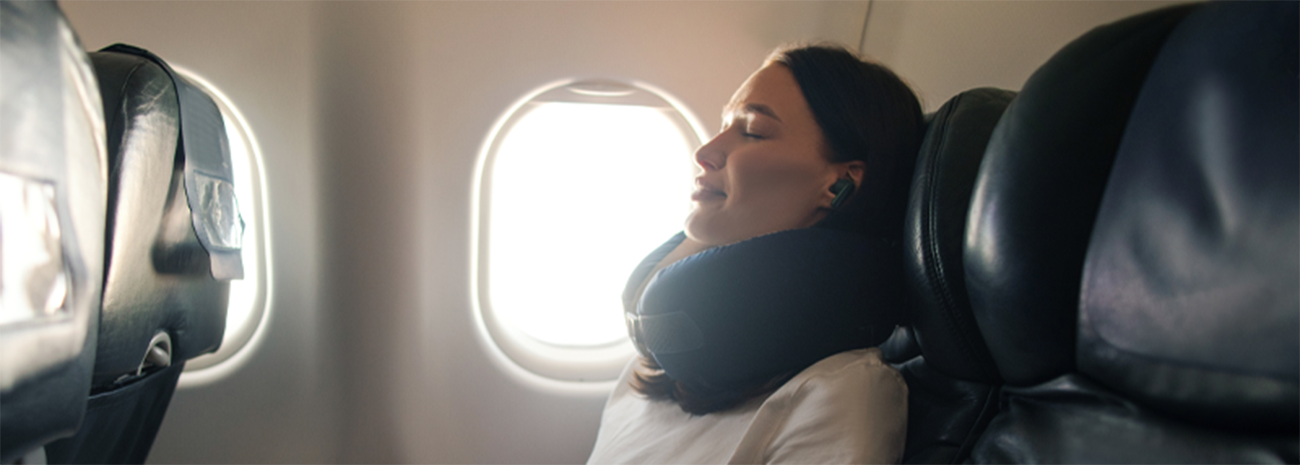
By the time you get to Grandma’s house, your shoes feel a size smaller. There’s a deep sock line around each ankle, and your legs feel heavy and tired. Maybe it was a four-hour flight, or six hours on I-80 with a car full of pie and presents.
Not every traveler needs compression socks for a long car ride or flight. For some people, properly fitted compression socks may support comfort and reduce leg swelling during hours of sitting. Whether they make sense for you depends on yourp>
As Thanksgiving, winter holidays, and year-end family visits fill up the calendar, here’s what to know before you pack.
What to know: Compression socks may help some travelers manage leg swelling and discomfort during long periods of sitting, but the right fit and compression level matter. If you have a history of blood clots, circulation concerns, unexplained swelling, or other medical conditions, talk with your healthcare provider before your trip.
Read About
Considering compression socks for a long flight or car ride? Jump to the section that is most helpful.
Why Do Legs and Ankles Swell During Long Trips?
Your calf muscles do a lot of quiet work. Every time you walk or flex your ankles, they squeeze the veins in your lower legs and help push blood back toward your heart.
When you sit still for hours, that pumping slows down. Blood and fluid can settle in the lower legs. That’s why your ankles may puff up, your shoes may feel tight, and your legs may feel heavy after a long trip. Cramped seats don’t help, and neither does a seat edge pressing behind your knees.
Why movement matters: Walking, flexing your ankles, and moving your calf muscles help support circulation in your lower legs. When that movement decreases during a long trip, swelling and heaviness may become more noticeable.
Mild swelling that goes down once you’re up and moving is common. Swelling isn’t always harmless, though. According to the CDC’s guidance on blood clots and travel, trips longer than four hours by air, car, bus, or train may increase blood clot risk. The overall risk is generally small, though, and depends heavily on personal risk factors. Some symptoms may need medical attention right away, which we cover below.
Do You Need Compression Socks for a Long Flight?
Some travelers wear compression socks on flights because their legs swell less and feel better when they land. Graduated compression is snuggest at the ankle and gets gentler toward the knee, which supports blood flow out of the lower legs.
Compression socks can’t erase blood clot risk. Serious travel-related blood clots are uncommon, but long-distance travel does raise the risk, and your personal health factors matter a lot.
It’s also important to separate two situations:
General Travel Use
Lighter, over-the-counter compression socks that some people choose for comfort on long flights.
Medical Compression
Garments a healthcare provider recommends or prescribes for a specific condition or a higher risk of clots.
Before you fly: If you have risk factors for blood clots, ask your healthcare provider whether compression or another precaution makes sense for your trip. That’s the best way to get advice that fits you.
What About Compression Socks for a Long Car Ride?
Road trips involve plenty of sitting, too. Long car rides limit leg movement the same way flights do, and holiday traffic has a way of turning a five-hour drive into seven.
The biggest advantage of driving is that you decide when to stop. Plan breaks every couple of hours to get out, stretch, and walk around a rest area or gas station. The CDC recommends including breaks in your travel schedule and moving your calf muscles during long periods of sitting.
During a long car ride:
- Plan regular stops to get out and walk.
- Flex your ankles and move your toes while seated.
- Change positions when you can.
- Make sure bags and other items aren’t limiting your legroom.
Passengers can flex their ankles, point and flex their toes, and shift positions as they ride. The driver should save leg exercises for stops and keep their full attention on the road.
If you’ve been advised to wear compression socks for long car rides, put them on before you leave home so you aren’t wrestling with them in a parking lot.
Who Should Talk With a Healthcare Provider Before Traveling?
Most people who develop a travel-related blood clot have at least one other risk factor. Consider calling your healthcare provider before your trip if you have:
- A history of blood clots
- Recent surgery, injury, or hospitalization
- Active cancer or recent cancer treatment
- Current pregnancy or a recent birth
- Certain heart, vascular, or circulation conditions
- Unexplained, sudden, or one-sided leg swelling
- Past instructions to wear medical-grade compression
Older age, estrogen-containing birth control, hormone therapy, and limited mobility can also add to your risk. Having one of these doesn’t mean you shouldn’t travel. Instead, speak to your provider, as they may have specific advice about movement, compression, or other precautions.
The CDC provides a fuller overview of blood clot risk factors during travel.
How to Choose Compression Socks for Travel
The right travel compression socks depend on your measurements, health history, and travel plans. Keep the following factors in mind:
Measurements Matter
Compression garments are sized from measurements taken at specific points on the leg, not just from shoe size. A sock that’s too loose may slide down, and one that’s too tight may dig in or roll.
Compression Is Measured in mmHg
Compression strength is measured in millimeters of mercury, or mmHg. Lighter options are commonly sold over the counter. Firmer levels may require professional or medical guidance.
Stronger Isn’t Automatically Better
More compression doesn’t mean more benefit. A garment that’s too strong for your needs may feel uncomfortable or may not be appropriate for your circulation.
Length and Style Matter
Knee-high socks are a common choice for travel, but your provider or fitter may suggest a different length or style for your needs.
Comfort Counts
On a long travel day, breathable fabric, a smooth fit at the ankle, and a top band that stays put make the garment easier to wear.
Follow Your Instructions
If a healthcare provider recommended a specific garment or compression level, stick with that guidance.
Check the fit: A well-fitted travel compression sock should feel snug and supportive. It shouldn’t hurt, cause numbness or tingling, or leave deep marks.
Get Fitted Before Your Next Trip
Find a comfortable travel fit with help from CarePro Home Medical and Kelly’s Home Medical.
When Should You Put Compression Socks On for Travel?
Many people who’ve been advised to wear compression put their garments on before swelling has a chance to start, often first thing on travel day. Your provider may give you more specific timing, and their guidance comes first.
Putting them on at home is also much easier. Pulling a snug garment over your heel in a narrow airplane seat or the front seat of a car is no one’s idea of fun. At home, you have room to smooth out wrinkles and make sure the heel and top band sit where they should.
Make travel morning easier: Put your compression socks on at home, where you have enough room to position the heel correctly, spread the fabric evenly, and smooth out wrinkles before you leave.
If you aren’t sure how long to wear them during or after travel, ask your provider or check the manufacturer’s instructions.
Tips for a More Comfortable Trip
Compression socks work best as one part of a travel plan. They don’t replace movement or medical advice. A few habits make long trips easier on your legs:
- Get up when it’s safe and allowed. Walk the aisle when the seatbelt sign is off, or stretch your legs at rest stops.
- Move your feet and ankles. While seated, raise and lower your heels a few times, then do the same with your toes.
- Change positions. Try not to stay in one position for the entire trip.
- Keep essentials within reach. If your bag isn’t jammed under your feet, you’ll have more legroom.
- Drink fluids based on your health needs. If you’re on a fluid restriction, follow your provider’s guidance.
- Dress for comfort. Skip clothing that feels tight around the waist or legs, and choose shoes with a little room.
- Keep compression garments flat. Don’t fold or roll the top band down, which can create a tight band of pressure.
- Pay attention to your body. Notice new or worsening symptoms during and after your trip.
Related Reading
Know When Travel Swelling Needs Medical Attention
Some symptoms shouldn’t be waited out. Contact a healthcare provider promptly if you notice swelling that’s sudden, painful, warm, red, or only affects one leg. Signs of a blood clot may appear during travel or in the days or weeks afterward.
Call 911 or seek emergency care right away for:
- Chest pain
- Difficulty breathing
- A faster-than-normal heartbeat
- Lightheadedness or fainting
- Coughing up blood
Learn more about the signs of travel-related blood clots from the CDC.
Pay attention to the fit: If a compression garment causes pain, numbness, tingling, skin-color changes, broken skin, or worsening swelling, remove it and contact your healthcare provider.
Plan Ahead With CarePro Home Medical and Kelly’s Home Medical
If you’re considering compression socks for holiday travel, give yourself time to find the right fit. Our teams at CarePro Home Medical and Kelly’s Home Medical can measure your legs, explain garment options, and show you how to put your compression socks on correctly.
CarePro Home Medical provides compression fittings in Cedar Rapids and Coralville, while Kelly’s Home Medical serves Davenport and the Quad Cities.
If you already own a pair that rolls, slips, or feels uncomfortable, bring it with you so our team can review the fit.
Request a Professional Compression Fitting Explore Compression Garments Find a CarePro or Kelly’s Location
Frequently Asked Questions
Do I need compression socks for a long flight?
Not necessarily. Some travelers find compression socks more comfortable during long flights, and the garments may help reduce leg swelling. Whether they’re appropriate for you depends on your health history, clot risk, measurements, and healthcare provider’s guidance.
Do compression socks help during long car rides?
They may help with swelling and leg comfort during long drives, especially if a provider has recommended them. Regular stops to get out and walk around matter just as much.
How long should a flight be before considering compression socks?
There’s no single cutoff that applies to everyone. The CDC generally describes travel lasting more than four hours as long-distance travel, but whether compression is appropriate depends on your health history and personal risk factors. Ask your healthcare provider if you’re unsure.
When should I put compression socks on before travel?
Many people put them on at home on the morning of travel, before swelling begins. If your healthcare provider gave you specific instructions, follow those recommendations.
What compression level should I wear for flying?
The appropriate compression level depends on your measurements, health history, and healthcare provider’s advice. Stronger isn’t automatically better, and some firmer compression levels require professional or medical guidance. Our compression team can help you compare options once you know what’s appropriate for you.
Can I sleep in compression socks during an overnight flight?
Follow your healthcare provider’s and garment manufacturer’s instructions for wear time. If the socks cause pain, numbness, tingling, skin changes, or worsening swelling, remove them and seek medical guidance.
Who should ask a doctor before wearing travel compression socks?
People with a history of blood clots, recent surgery or hospitalization, active cancer treatment, pregnancy or recent childbirth, certain heart or circulation conditions, limited mobility, or unexplained swelling should speak with a healthcare provider. The same applies to anyone who has been instructed to wear medical-grade compression.
0 comments