

Why Am I Still Snoring With My CPAP?
Posted On: April 23, 2026 by CarePro Health Services in: CPAP Sleep Apnea Sleep Therapy Tips
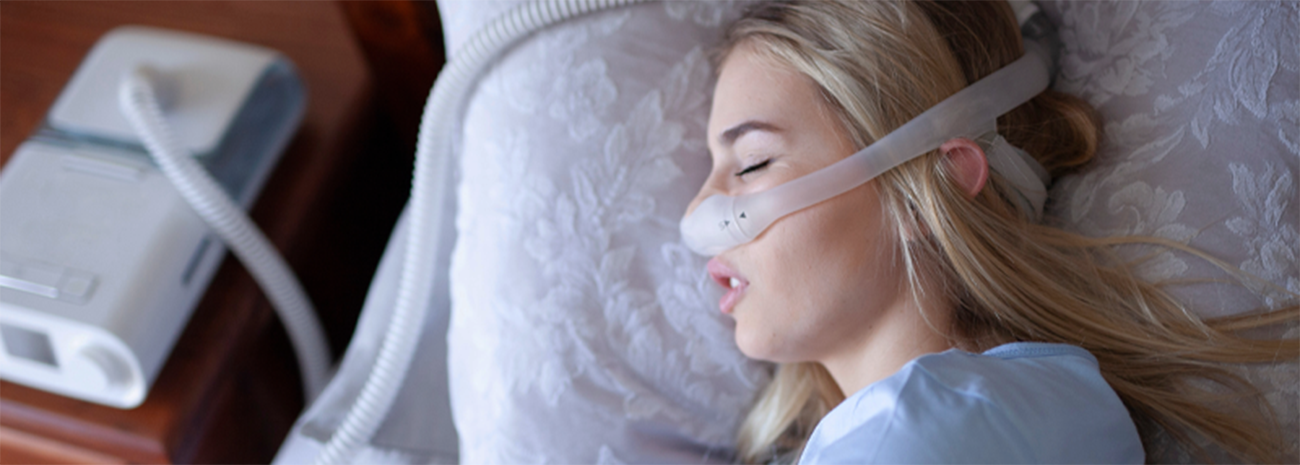
You’re using your CPAP every night… so why are you still snoring?
For a lot of people, this is the moment things stop making sense. You’re doing what you were told. You’re wearing the mask. The machine is on. And yet, the snoring hasn’t fully gone away.
Sometimes you notice it yourself. Other times, someone else points it out first.
Either way, it raises the same question: is the CPAP actually working?
Is It Normal to Snore With CPAP?
Short answer: it can happen, but it’s not something to ignore.
CPAP therapy is designed to keep your airway open while you sleep. When it’s working properly, snoring should improve or stop.
If you’re still snoring with CPAP, it usually means something in your setup or therapy needs adjusting.
Why Am I Still Snoring With CPAP?
If you’re still snoring with CPAP, it usually means your therapy isn’t working as effectively as it should. The most common causes include a CPAP mask leak, pressure settings that need adjustment, mouth breathing, or worn-out equipment.
The key is figuring out which one is affecting you.
Related: Why Is My CPAP Mask Leaking? Common Causes & How to Fix It
Common Reasons You’re Still Snoring With CPAP
There isn’t just one reason this happens. It’s usually tied to how your equipment is fitting or functioning.
1. CPAP Mask Leak
A CPAP mask leak is one of the biggest causes.
If air is escaping:
- Your airway isn’t getting the full pressure it needs
- Therapy becomes less effective
- Snoring can come back
Leaks can happen from:
- A poor fit
- Worn-out cushions
- Moving during sleep
2. CPAP Pressure May Be Too Low
If your CPAP pressure is too low, it may not be strong enough to keep your airway fully open.
This can lead to:
- Continued snoring
- Ongoing sleep apnea symptoms
- Feeling tired even after a full night’s sleep
Pressure needs can change over time, especially with weight or health changes.
Have Your Pressure Settings Checked
3. Mouth Breathing
If you’re breathing through your mouth while using CPAP:
- Air can escape
- Pressure drops
- Snoring may continue
This is especially common with nasal masks and often shows up as dry mouth in the morning.
4. Sleeping Position
Sleeping on your back can make airway collapse more likely — even with CPAP.
Side sleeping often helps improve airflow and reduce snoring.
5. Changes Over Time
Your CPAP setup might have worked perfectly at first, but things change.
- Weight gain or loss
- Aging
- New medications
- Changes in sleep habits
All of these can affect how well your CPAP is working.
Small Equipment Issues That Make a Big Difference
This is one of the most common reasons we see CPAP not working the way it should, and it’s usually fixable with the right supplies.
These are easy to overlook, but they matter:
- Worn mask cushions → lose their seal over time
- Dirty or clogged filters → restrict airflow
- Old tubing → can impact air delivery
- Mouth leak issues → reduce effectiveness
- Humidifier settings → affect comfort and consistency
Most of these are simple fixes, and often just require replacing a part you didn’t realize was worn out.
Refill Your CPAP Supplies Today
When It’s Time to Get Your CPAP Checked
If your CPAP isn’t working the way it should, your body usually tells you.
Watch for signs like:
- Still feeling tired during the day
- Snoring continuing with CPAP
- Dry mouth or sore throat
- Waking up throughout the night
This doesn’t mean your CPAP has failed. It usually just means something needs to be adjusted, and that’s where a little CPAP troubleshooting can go a long way.
How CarePro Home Medical and Kelly’s Home Medical Can Help
This is where having local support really makes a difference. We help people figure this out every day, and in a lot of cases, it’s not a major issue.
Sometimes it’s:
- A better-fitting mask
- A simple pressure adjustment
- Replacing a worn-out part
We can:
- Check your mask fit
- Help troubleshoot leaks
- Review your equipment
- Replace worn supplies
- Help determine if pressure adjustments may be needed
Most people walk in thinking something is seriously wrong — and leave realizing it was a small fix.
Common Questions About CPAP and Snoring
Why am I still snoring with CPAP?
Snoring usually means something isn’t working as intended, often a mask leak, pressure issue, or mouth breathing.
Does snoring mean my CPAP isn’t working?
Not always, but it’s a sign your therapy may need adjustment.
How do I know if my CPAP pressure is too low?
You may still feel tired, snore, or wake up frequently. A provider can help evaluate your settings.
Can a CPAP mask leak cause snoring?
Yes. Leaks reduce the pressure needed to keep your airway open, which can allow snoring to continue.
Should I get my CPAP checked?
If you’re still having symptoms or noticing changes in your sleep, it’s a good idea to have your setup reviewed.
If Something Feels Off, It’s Worth Checking
CPAP should make sleep better, not leave you wondering if it’s working.
If you’re still snoring with CPAP or not feeling the results you expected, there’s usually a reason. And more importantly, there’s usually a fix.
If you want a second look at your setup, schedule a time to meet with a respiratory therapist at CarePro Home Medical or Kelly’s Home Medical. We’ll help you figure out what’s going on and get things back on track.
0 comments