

When to Wear Compression Socks & When You Shouldn’t
Posted On: November 17, 2025 by CarePro Health Services in: Compression Therapy Tips
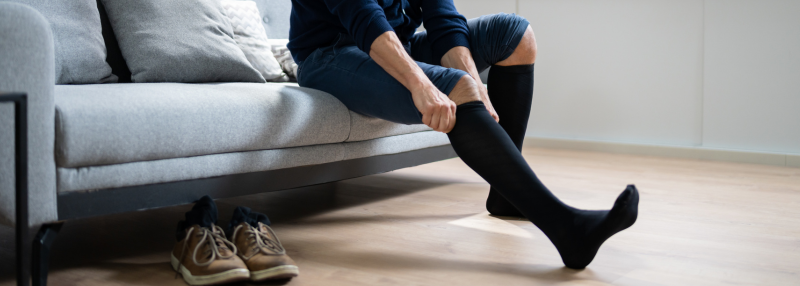
If you’ve ever been told to try compression socks, your first thought might’ve been: “Okay… but when exactly am I supposed to wear them?” And maybe even, “Do I really need them at all?”
Compression socks are a simple but powerful way to support your legs, circulation, and overall comfort, but like any tool, they work best when used at the right time and for the right reasons.
Here’s a complete guide to help you figure out when compression socks can help you… and when they might not be the best idea.
At CarePro Home Medical and Kelly’s Home Medical, we help people every day find compression products that fit their body, lifestyle, and needs. So let’s talk about what compression socks are really for, how to use them properly, and where to find trusted help if you’re unsure.
Jump to a Section:
- What Are Compression Socks, and How Do They Work?
- Who Should Wear Compression Socks
- When You Should Wear Compression Socks
- When You Shouldn’t Wear Compression Socks
- Tips for Using Compression Socks Comfortably
- Compression Sock Options at CarePro & Kelly’s Home Medical
- Talk to a Compression Expert
- Helpful Resources
What Are Compression Socks, and How Do They Work?
Compression socks are specially designed garments that gently squeeze your legs to help improve blood flow. They’re not just tighter versions of regular socks; they use graduated pressure that’s tighter at the ankle and looser as you go up the leg. This helps:
- Reduce swelling in the feet, ankles, and calves
- Prevent blood from pooling in the lower legs
- Support tired or achy legs during long days
You’ll find different compression levels (measured in mmHg), from mild (8–15 mmHg) to firm medical-grade levels (30–40 mmHg or more), and styles that range from knee-high to thigh-high and even full compression tights.
Explore Compression Socks & Garments

Who Should Wear Compression Socks?
The great thing about compression socks is that they’re helpful for a wide range of people, including those with medical conditions and those just looking for everyday comfort.
Here are some common reasons people turn to compression therapy:
On Your Feet All Day (or Sitting All Day)
If your job keeps you standing for hours (think: nurses, retail workers, hair stylists), or you sit at a desk all day, compression socks can help prevent leg fatigue and swelling.
Traveling
Long flights and car rides limit leg movement, which can slow circulation. Compression socks can reduce the risk of deep vein thrombosis (DVT) during travel.
Pregnancy
Swelling and leg discomfort are common during pregnancy, and compression socks can help ease that pressure.
Chronic Conditions
People living with conditions like varicose veins, lymphedema, venous insufficiency, or a history of blood clots may be advised by a doctor to wear medical-grade compression.
Athletes
Runners and athletes often use compression garments to aid recovery and reduce muscle soreness.
When You Should Wear Compression Socks (Timing Matters!)
Getting the most out of compression socks means knowing when to wear them. Here’s a breakdown based on real-life situations:
Morning (Best Time to Put Them On!)
Put your compression socks on right when you wake up, before swelling has a chance to set in. It’s much easier to slide them on in the morning, and you’ll get full-day benefits.
During Your Workday
Whether you’re moving around a lot or not enough, compression socks can help regulate blood flow and reduce swelling by the end of the day.
While Traveling
Wear them during long car rides or flights to reduce the risk of DVT and keep your legs feeling fresh.
Post-Workout Recovery
Wearing compression socks after a workout may reduce soreness and promote better muscle recovery.
As Directed by Your Doctor
If your healthcare provider recommends compression for a specific condition, follow their instructions about when and how long to wear them.
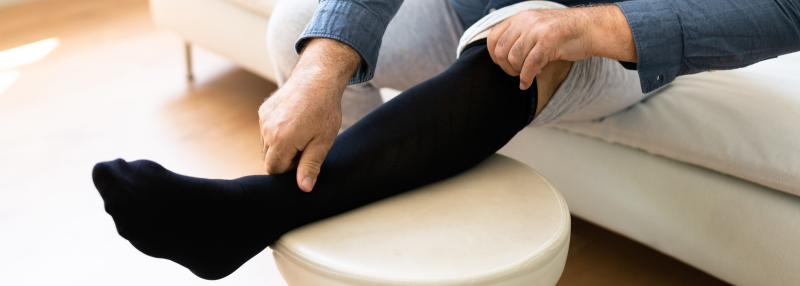
When You Shouldn't Wear Compression Socks
Believe it or not, compression socks aren’t for everyone, and wearing them at the wrong time (or in the wrong way) can cause more harm than good.
Here’s when to pause or avoid using them:
Severe Peripheral Artery Disease
If you have poor circulation from PAD, compression could restrict blood flow even more. Always check with your doctor first.
Open Wounds or Skin Infections
Unless you’ve been given the green light by a healthcare provider, avoid compression over broken or irritated skin.
Overnight (Unless Prescribed)
Most people don’t need to wear compression socks to bed. Lying down changes how gravity affects your circulation.
If They’re Causing Pain or Numbness
Compression should feel snug, but not painful, tingly, or leave deep marks. If they do, you may need a different size or compression level.
Tips for Using Compression Socks Comfortably
Wearing compression socks isn’t difficult, but there are some tricks that make them more comfortable and effective:
- Put them on in the morning when your legs aren’t swollen yet
- Use a donning aid or wear rubber gloves for better grip when pulling them on
- Wash them gently with mild soap and air dry to preserve elasticity
- Replace them regularly (most need replacing after about 3–6 months)
Need help putting them on or choosing the right level of compression? Our team at CarePro Home Medical and Kelly’s Home Medical is here to help!
Try Compression Socks Near You Today
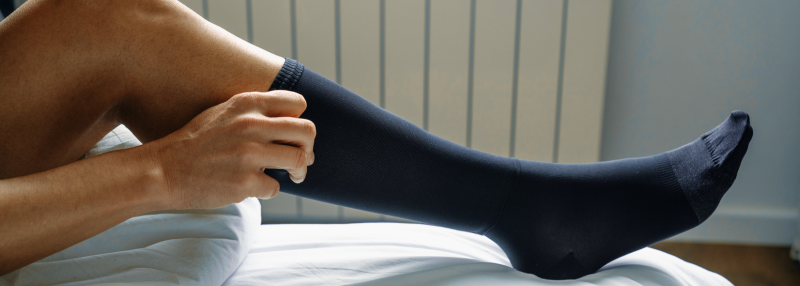
Compression Sock Options at CarePro & Kelly’s Home Medical
We offer a wide selection of high-quality compression garments, from basic support socks to medical-grade stockings. Our experienced staff will help you:
- Choose the right compression level
- Get the correct fit and size
- Learn how to use and care for them
- Find styles that work for everyday wear, travel, or medical needs
Explore Compression Therapy Products Find a Location Near You
Talk to a Compression Expert
Compression socks can help you feel better, move better, and stay comfortable during your everyday routine — when used correctly.
Whether you’re just curious or have been told by a provider to use compression, stop by CarePro Home Medical or Kelly’s Home Medical. We’re your local experts in compression therapy, and we’ll make sure you leave with the right gear, the right fit, and the right information.
If you’re ready to try compression socks, or want help picking the right pair, we’re here for you.
Contact a Compression Therapy Expert

Helpful Resources
Check out more helpful reads from our team:
0 comments