

Pulse Oximetry Readings Explained: When Low Oxygen Levels Shouldn’t Be Ignored
Posted On: April 27, 2026 by CarePro Health Services in: CPAP Sleep Apnea Sleep Therapy
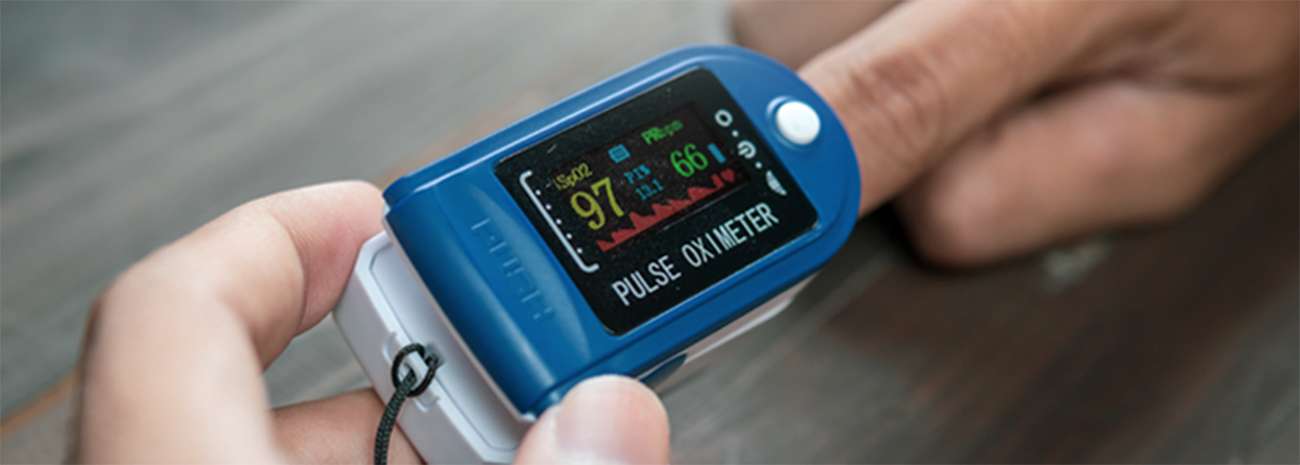
It’s a small device. You clip it on your finger, wait a few seconds, and a number appears.
But what does that number actually mean?
A lot of people across Iowa now have a pulse oximeter at home. It’s quick, easy to use, and helpful, especially during illness or when managing a respiratory condition. The part that’s less clear is knowing when a reading matters and when it doesn’t.
At CarePro Home Medical and Kelly’s Home Medical, we talk with patients about this all the time, especially those using CPAP therapy or recovering at home. Here’s a straightforward way to understand your oxygen levels and when it’s time to take the next step.
What Is a Normal Oxygen Level?
A pulse oximeter measures your oxygen saturation (SpO₂) — how much oxygen your blood is carrying. For most people:
- 95%–100% → Normal
- 92%–94% → Worth keeping an eye on
- Below 90% → Low (this is called hypoxemia and needs attention)
That said, not everyone falls into the same range. People with conditions like chronic obstructive pulmonary disease (COPD) may have a lower “normal,” which is why it’s important to know your personal baseline.
Why Your Oxygen Reading Might Be Low
Not every low reading means something serious. Sometimes it’s just the device or how it’s being used.
Common non-medical causes:
- Cold hands
- Nail polish or artificial nails
- Moving during the reading
- Poor circulation
Medical-related causes:
- Respiratory infections (cold, flu, COVID, pneumonia)
- Asthma or COPD
- Sleep apnea
- Heart conditions
- Recovery after surgery or illness
If a reading looks off, it’s always a good idea to check again under better conditions.
When Low Oxygen Levels Shouldn’t Be Ignored
This is the question most people are really asking: When should I worry about my oxygen level?
You should contact your healthcare provider if:
- Your oxygen level is consistently below 92%–94%
- You notice a drop from your usual baseline
- Your readings aren’t improving with rest
You should seek urgent care if:
- Your oxygen level drops below 90%
- You have symptoms like:
- Shortness of breath
- Chest discomfort
- Confusion
- Bluish lips or fingertips
The number matters, but so do the symptoms that come with it.
Using Pulse Oximetry During Illness or Recovery
A pulse oximeter can be especially helpful when you’re recovering at home.
People often use it to monitor oxygen levels during a respiratory illness, keep an eye on symptoms at home after leaving the hospital, and watch for changes that might need attention. It’s a useful tool, but it’s just one piece of the picture. If you think something feels off, then trust that too.
What This Means for CPAP Users
If you use CPAP therapy for sleep apnea, pulse oximetry can give you insight into how well your treatment is working.
Untreated sleep apnea can cause oxygen levels to drop overnight. CPAP therapy helps keep your airway open, which supports more stable oxygen levels while you sleep.
But if you’re noticing:
- Ongoing fatigue
- Low overnight readings
- Mask leaks
- Poor sleep quality
…it may be time to take a closer look at your setup.
At CarePro Home Medical and Kelly’s Home Medical, we can help with:
- CPAP mask fittings
- Equipment checks
- Supply replacements
- Follow-up support
Sometimes it’s as simple as adjusting your mask or replacing worn-out parts.
Small Equipment Issues That Can Affect Your Oxygen Levels
This is something many CPAP users don’t realize. Even small issues with your equipment can impact how effective your therapy is:
- Mask leaks → Air escapes instead of supporting your airway
- Mouth breathing → Reduces effectiveness of certain masks
- Worn-out cushions → Poor seal leads to inconsistent therapy
- Dirty filters → Restrict airflow
- Old tubing → Reduces efficiency and cleanliness
Sometimes improving your oxygen levels is about maintaining the parts that support it.
How to Get Accurate Pulse Oximeter Readings at Home
If you’re using a pulse oximeter, a few small steps can make your readings more reliable:
- Warm your hands before using the device
- Remove nail polish or artificial nails
- Sit still and relax for 30–60 seconds
- Place the device fully on your fingertip
- Look at trends over time, not just one reading
One number doesn’t tell the whole story. Patterns are what matter.
Support Beyond the Numbers
If you’re monitoring your oxygen levels at home, having the right equipment — and knowing how to use it — makes a difference.
CarePro Home Medical offers:
- Pulse oximeters
- CPAP machines and supplies
- Mask fittings and replacements
- Tubing and replacement schedules
- Tubing brushes and cleaning supplies
- Filters (often overlooked, but essential)
- Humidifiers for comfort
- Solutions for mouth leaks (like chin straps or other options)
- Cleaning tools and accessories
- Guidance on respiratory equipment
In some cases, if oxygen levels remain low, your provider may recommend additional support such as home oxygen therapy or portable oxygen concentrators (POCs). Our team can help guide you through those options if needed.
Whether you’re managing sleep apnea, recovering from illness, or just trying to better understand your readings, you don’t have to figure it out on your own.
Contact a CarePro & Kelly’s Expert Today
Quick Answers About Oxygen Levels and Pulse Oximeters
What is a normal oxygen level at home?
For most healthy adults, a normal oxygen saturation level is between 95% and 100%.
Is 92% oxygen level okay?
It can be acceptable for some individuals, but if it’s consistent or lower than your usual level, it’s worth discussing with a healthcare provider.
When should I go to the ER for low oxygen?
If your oxygen level drops below 90% or you have symptoms like shortness of breath, chest pain, or confusion, seek medical care right away.
Can sleep apnea cause low oxygen levels?
Yes. Sleep apnea can cause drops in oxygen levels during sleep if untreated.
Does CPAP help improve oxygen levels?
Yes. CPAP therapy helps keep your airway open, which supports more stable oxygen levels overnight.
Pay Attention to the Pattern, Not Just the Number
A pulse oximeter is a helpful tool, but it’s not meant to replace how you feel or what your body is telling you.
If something doesn’t seem right, or your readings are consistently lower than expected, it’s worth checking in.
And if you need help with CPAP supplies, respiratory equipment, or understanding what your numbers mean, stop by CarePro Home Medical and Kelly’s Home Medical. We’re here to help you make sense of it, and find the right support.
0 comments